Product Introduction
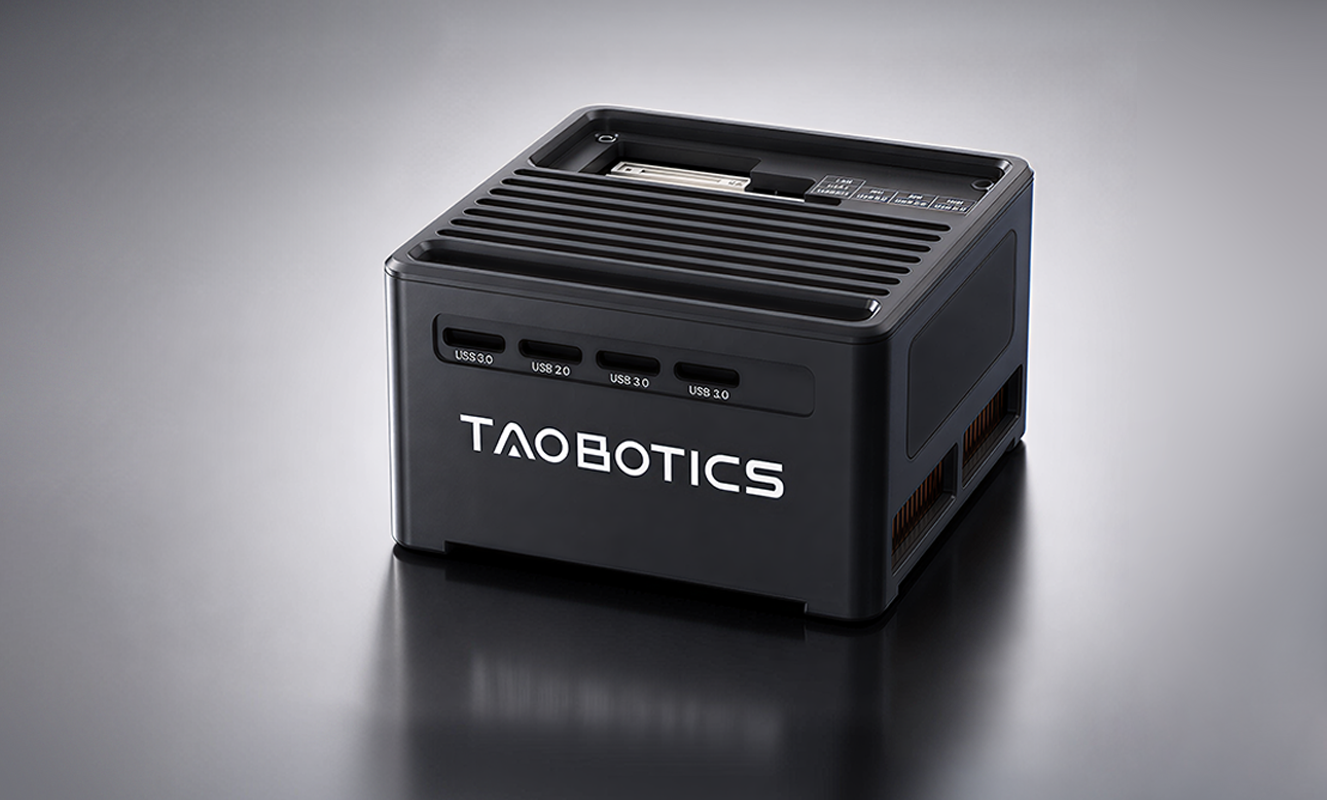
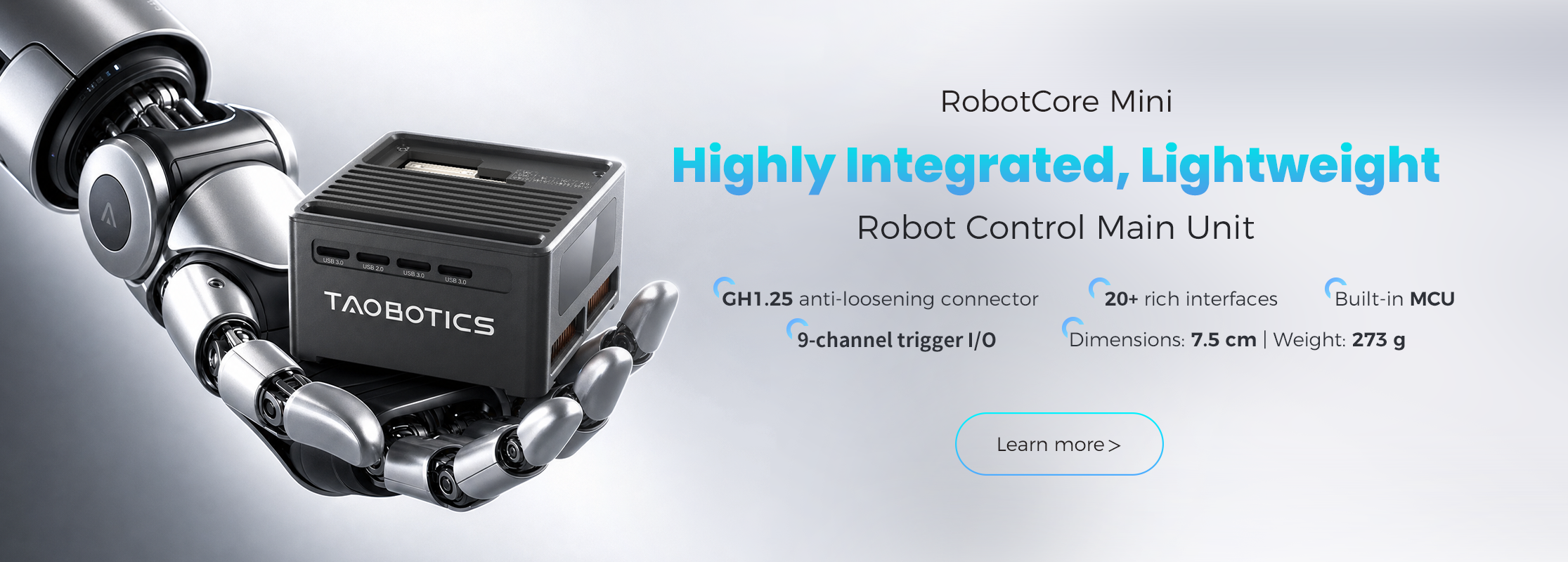
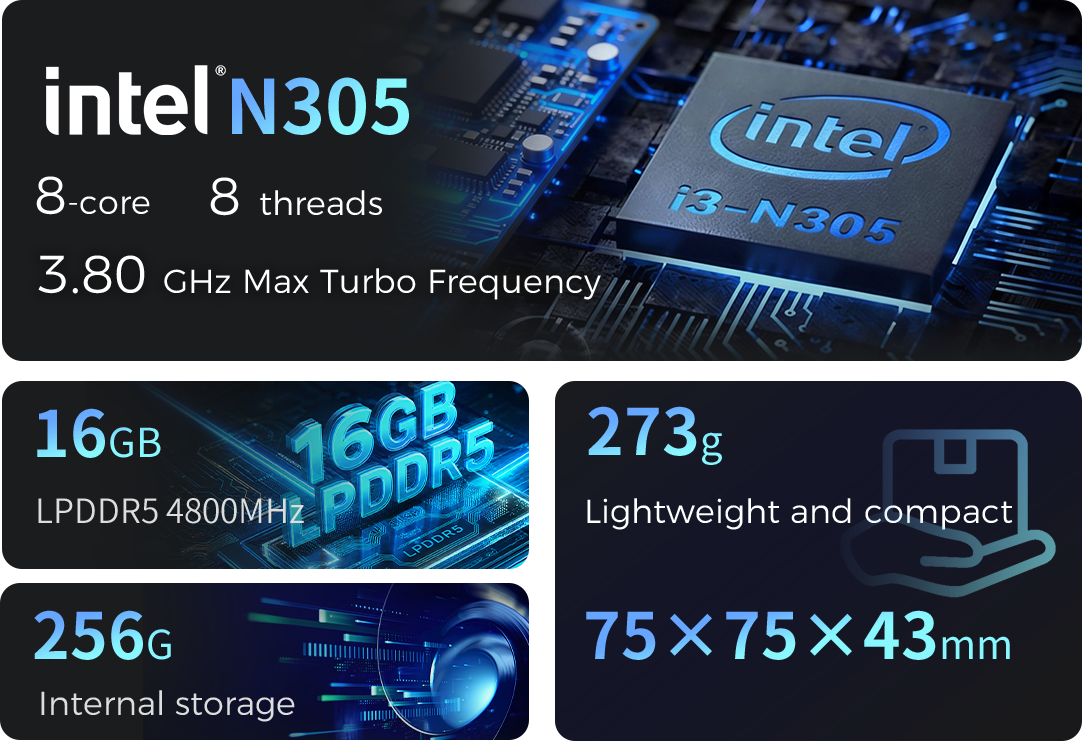
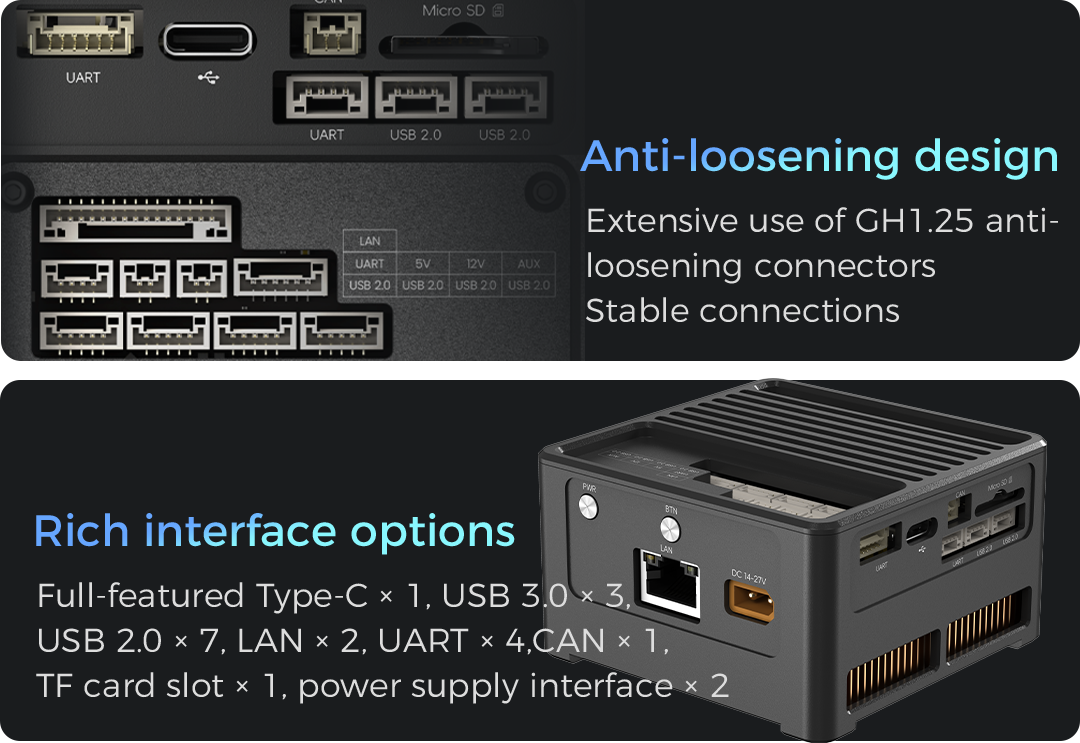
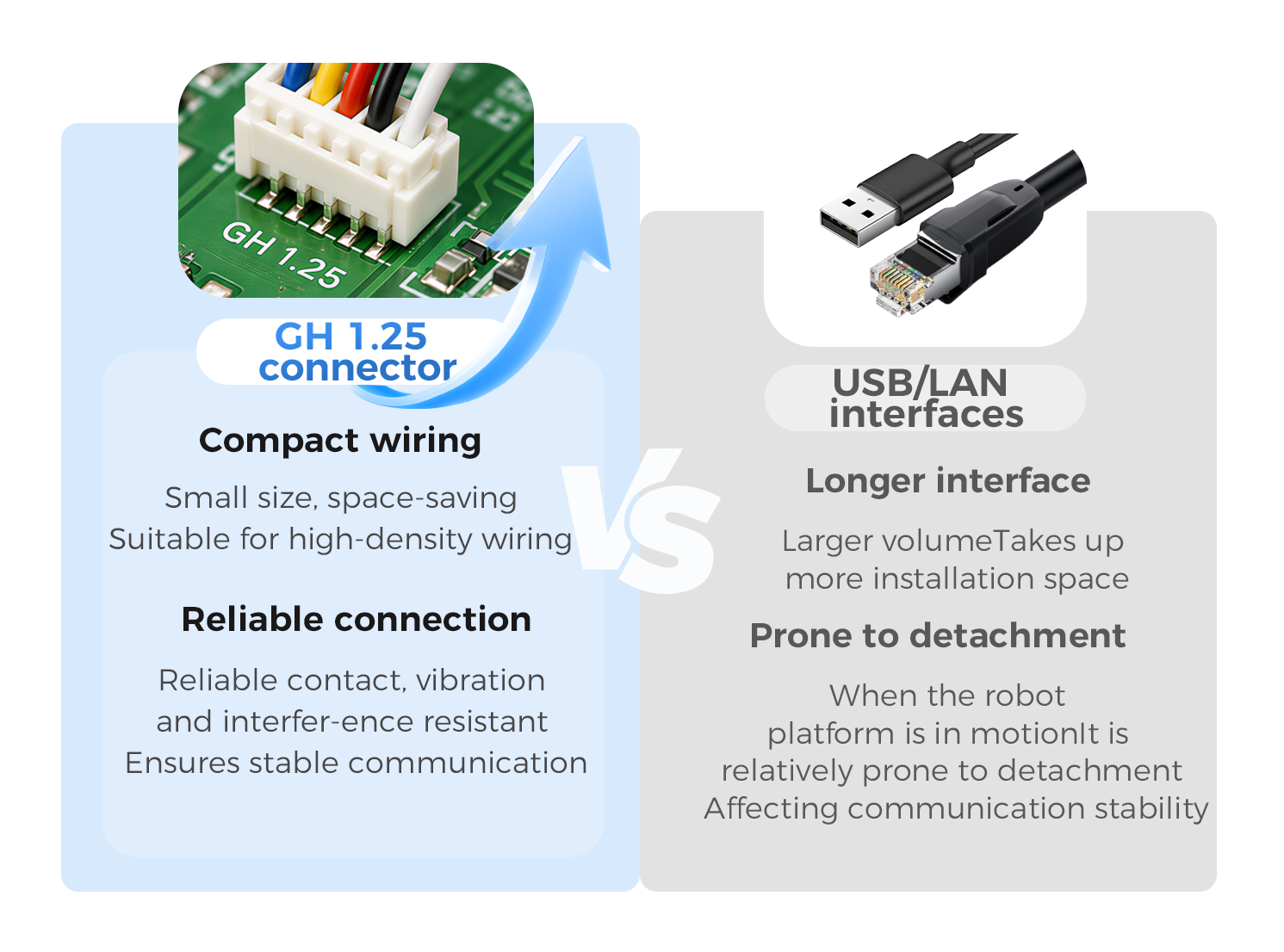
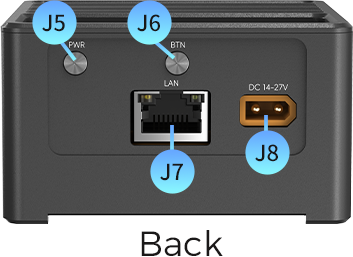
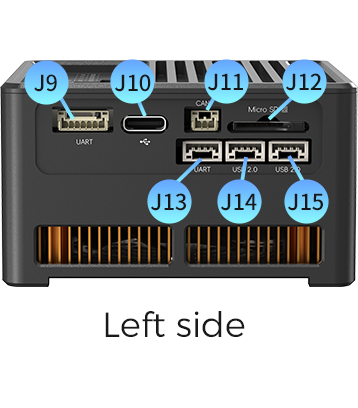
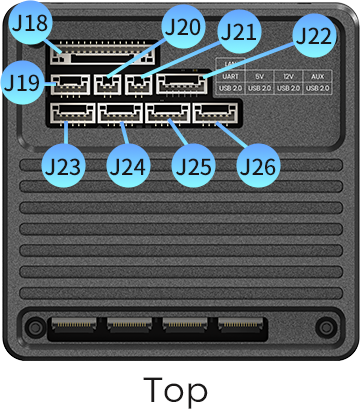
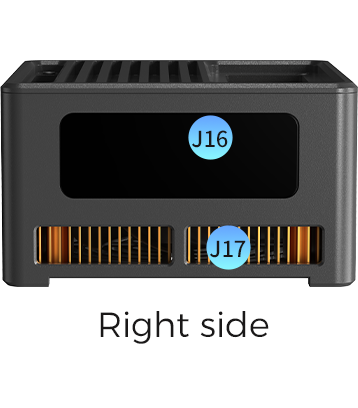
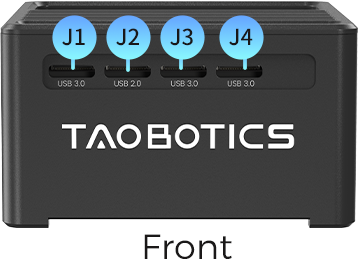
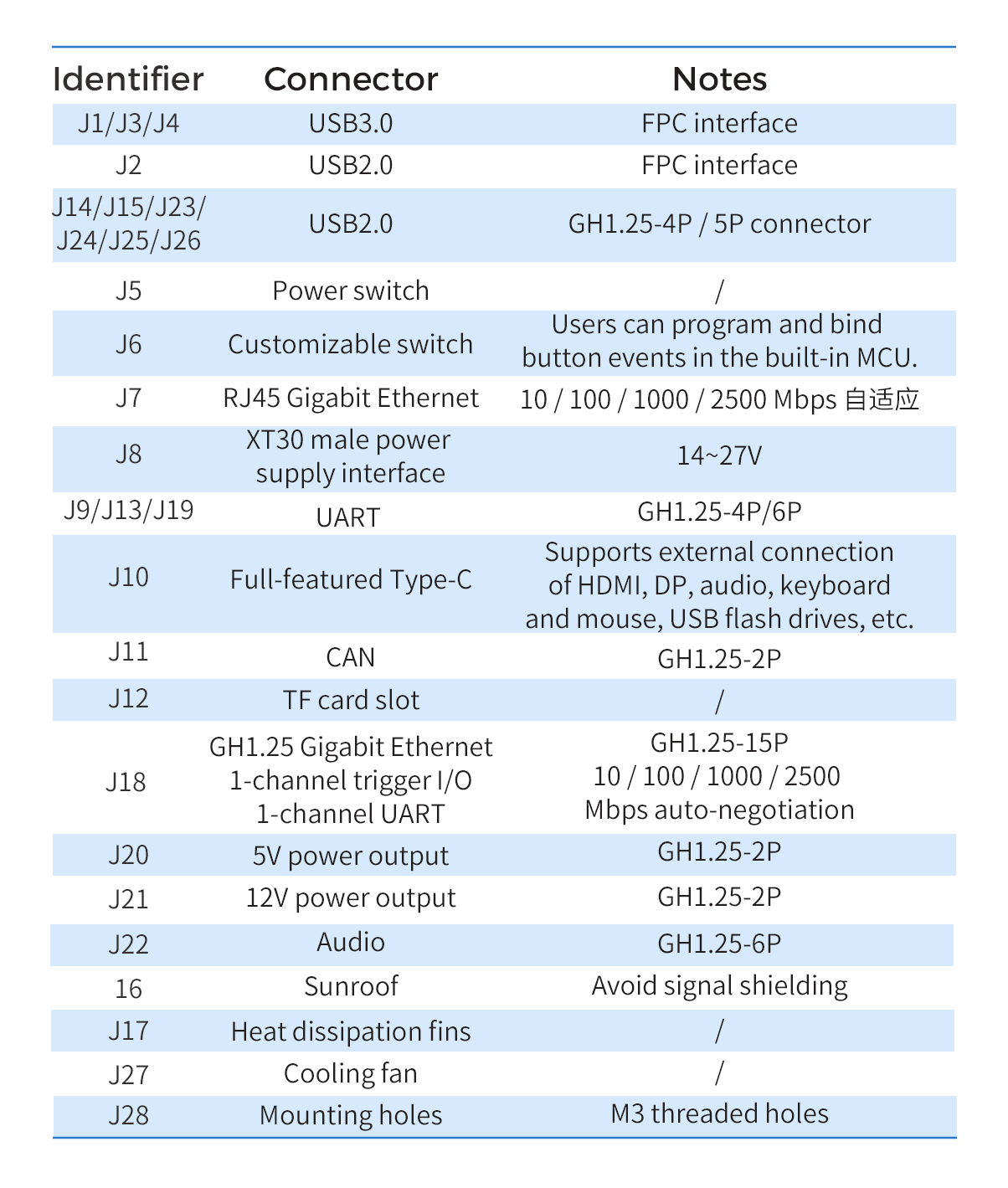
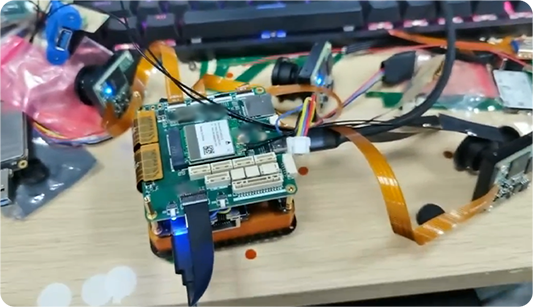
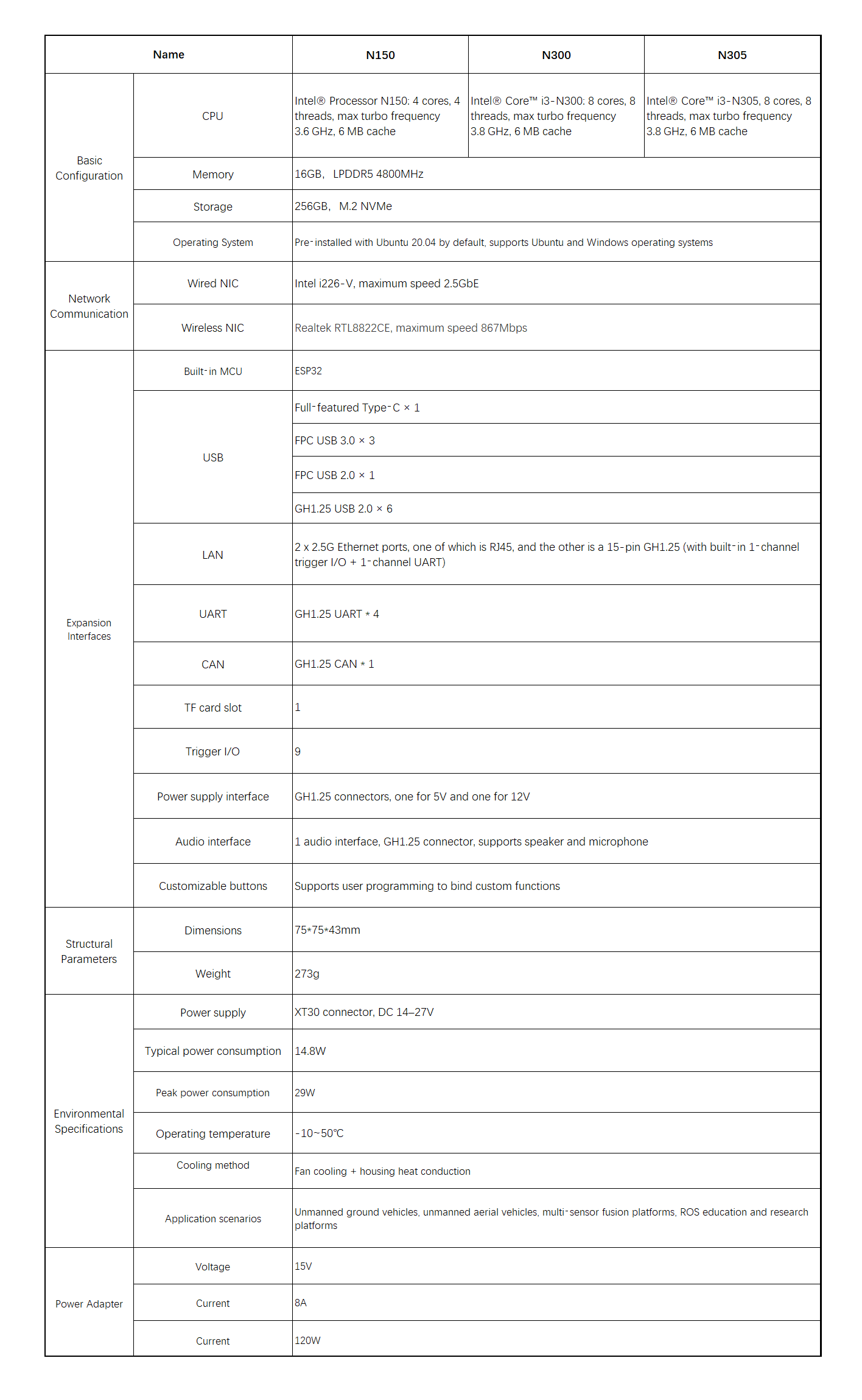
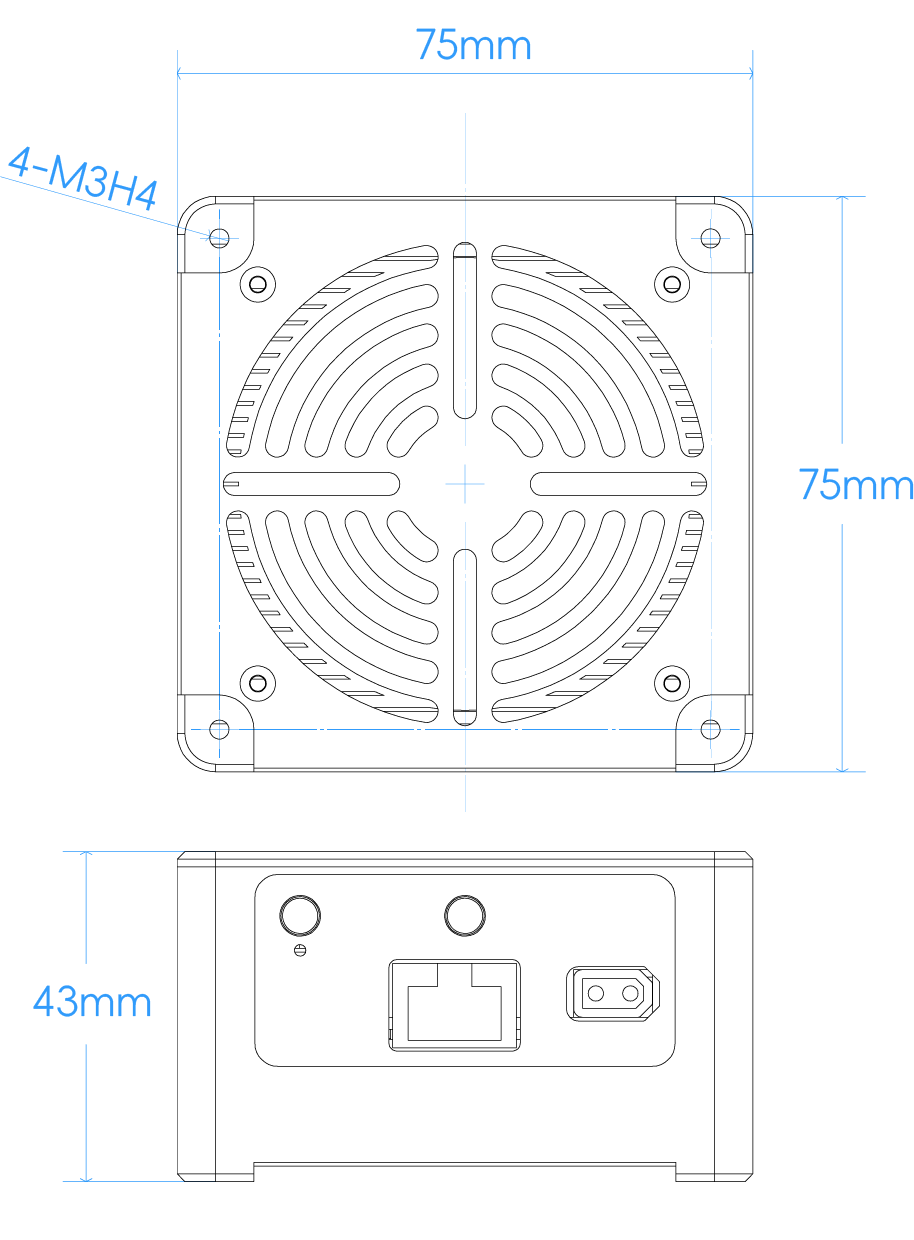
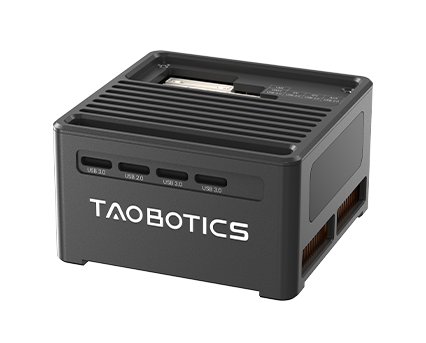
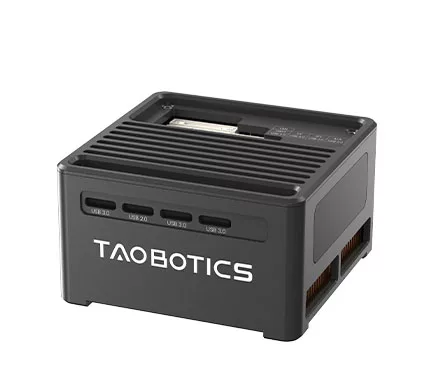
RobotCore Mini is a lightweight x86 Mini host designed specifically for robotics and unmanned systems. It extensively features GH1.25 anti-loosening connectors, ensuring stable and vibration-resistant connections and effectively reducing the risk of cable disconnection. The product is powered by an Intel i3-N305 processor, equipped with 16GB LPDDR5 memory and 256GB storage. The entire unit measures just 74×74×43mm and weighs approximately 273g. With a built-in MCU, integrated dual 2.5G Ethernet ports, USB, UART, CAN, trigger I/O, peripheral power supply interfaces, and customizable function buttons, it is suitable for rapid deployment and reliable operation of unmanned vehicles, drones, inspection robots, and multi-sensor devices.

Product Features

Anti-loosening design

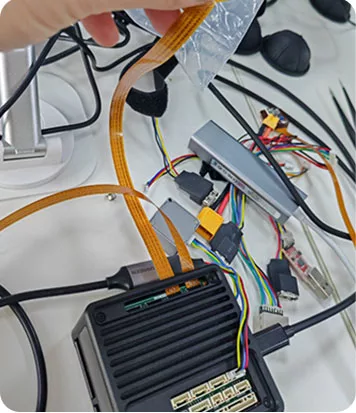
Rich interface options

x86 architecture

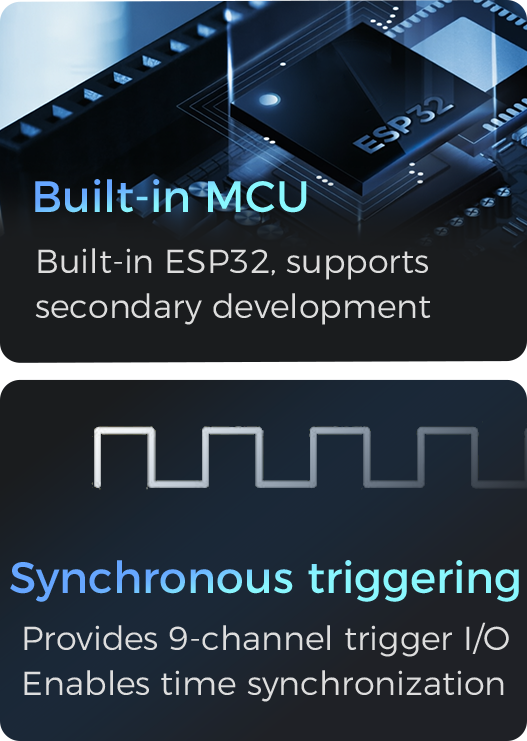
Built-in MCU

Synchronous triggering

Customizable buttons

Peripheral power supply

Lightweight and compact
Application Scenarios
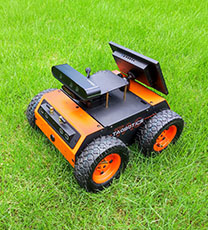
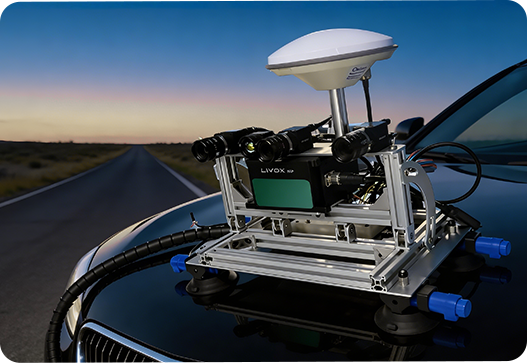
Unmanned ground vehicle (UGV)
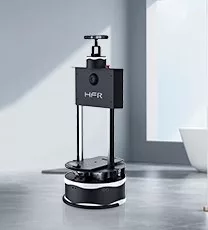
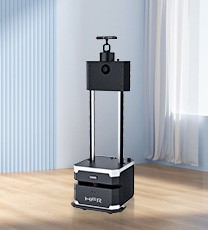
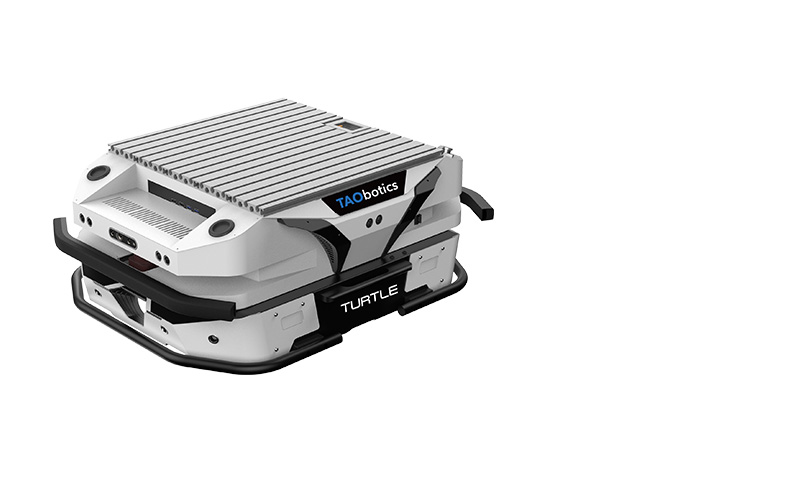
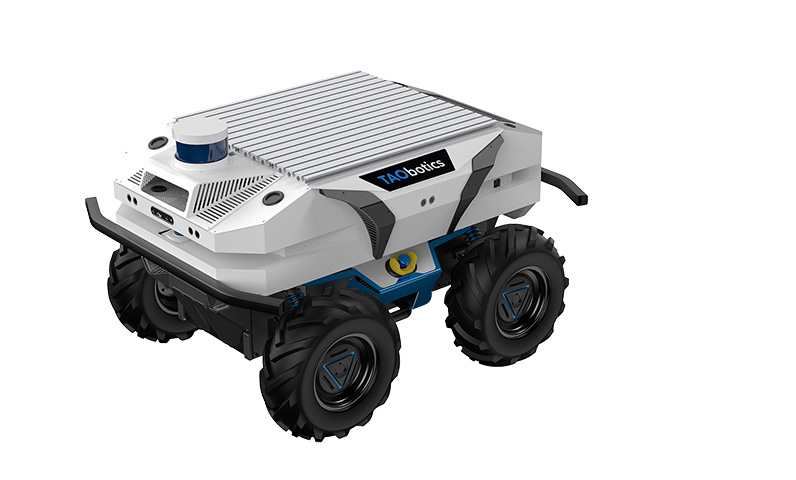
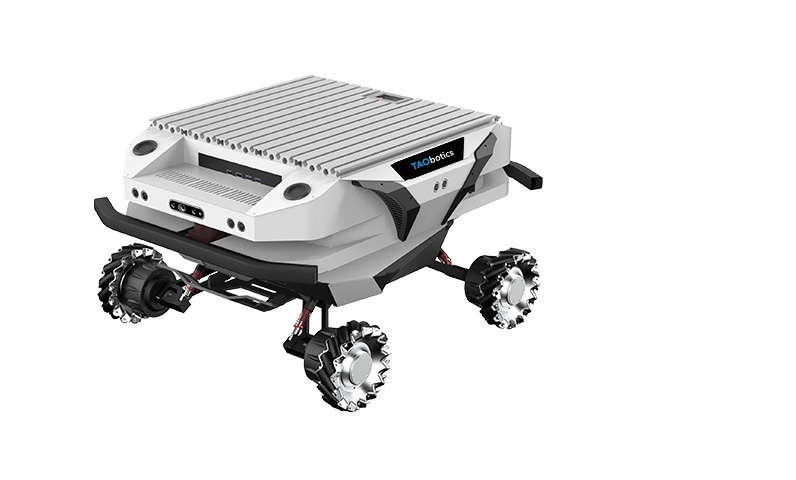
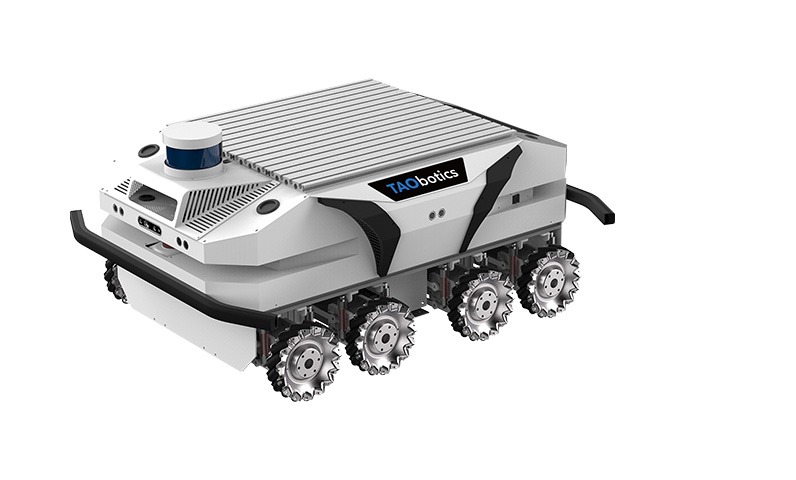
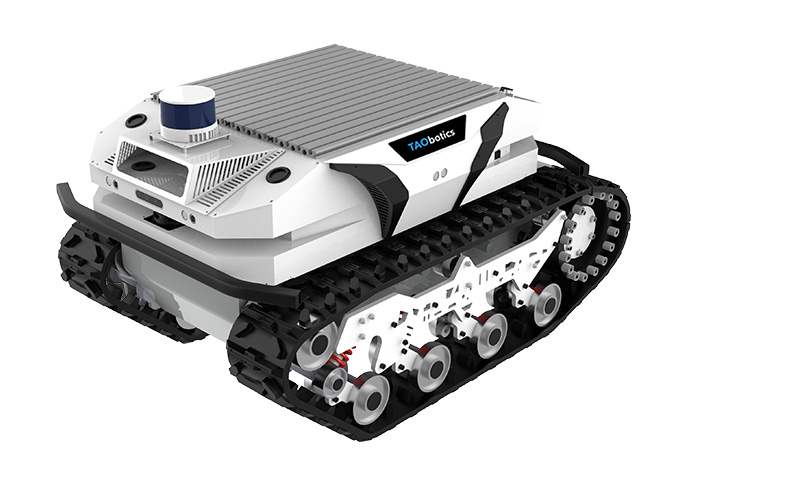
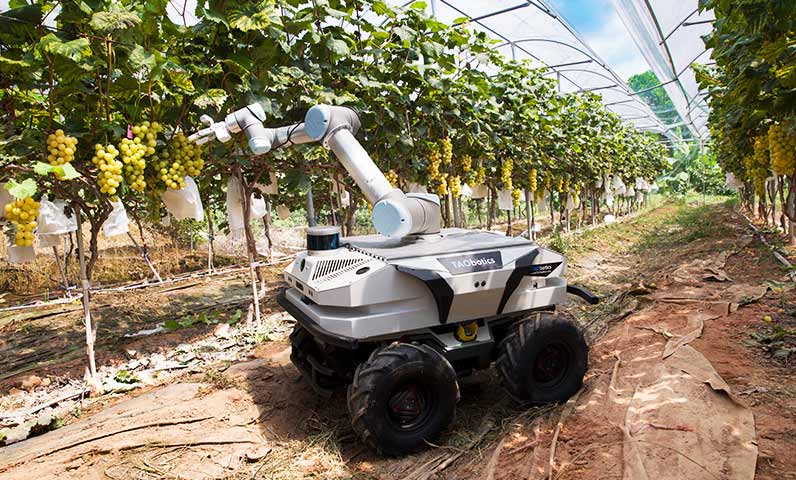
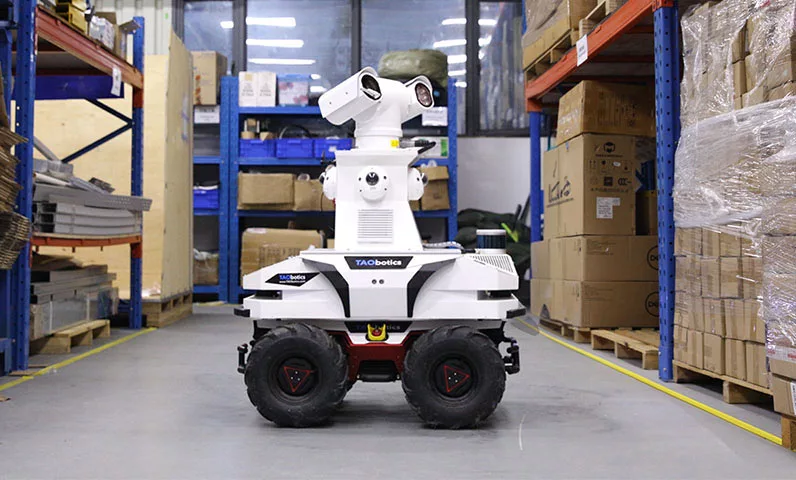
It can serve as the control main unit for mobile robots such as unmanned vehicles, patrol vehicles, delivery vehicles, and research chassis, connecting devices like radar, cameras, RTK, IMU, and chassis controllers to achieve perception, positioning, navigation, and control.
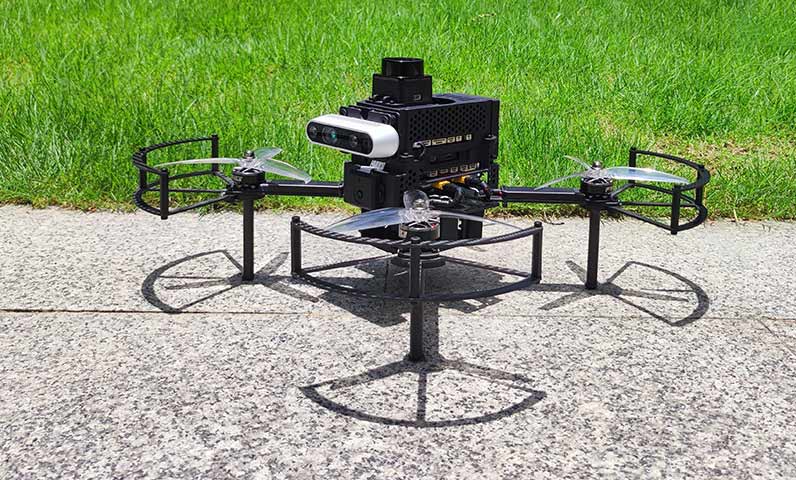
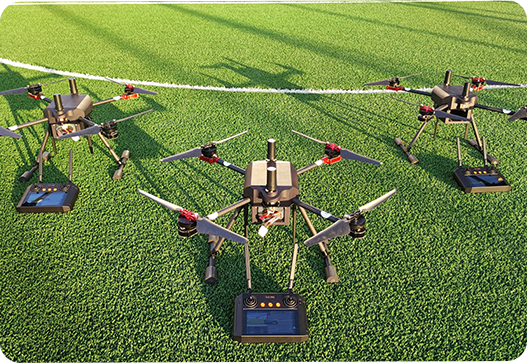
Unmanned aerial vehicle (UAV)
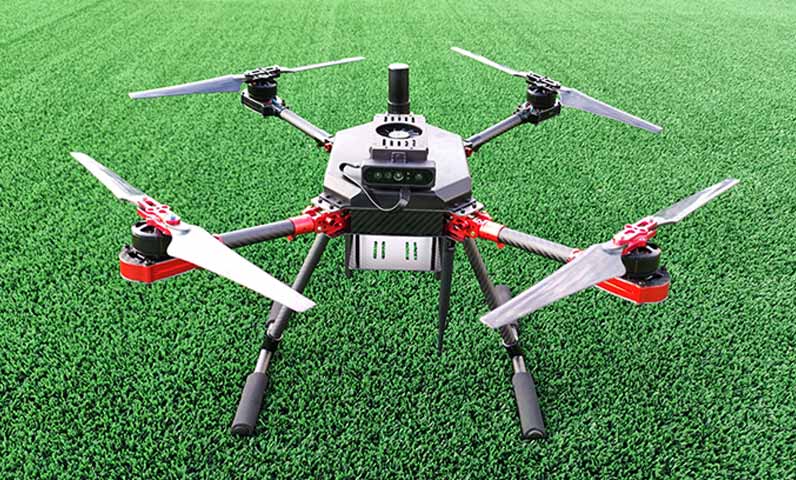
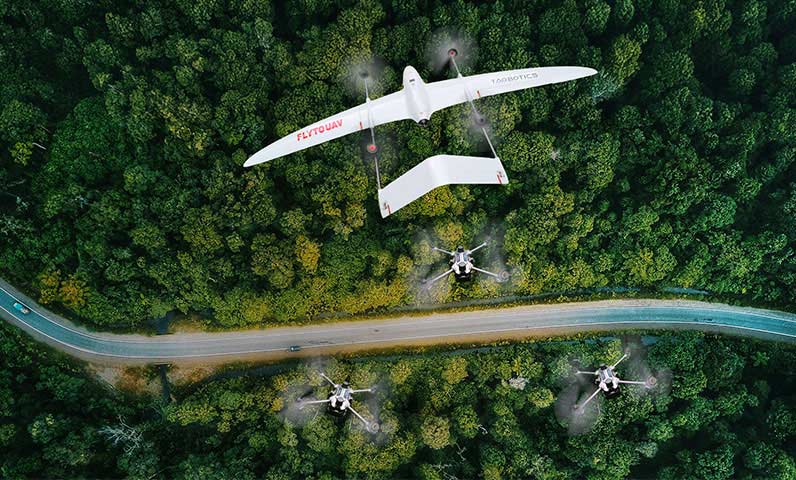
Suitable for multi-rotor UAVs, compound-wing UAVs, and onboard mission payloads, meeting the integration needs of flight platforms for small size, light weight, stable connections, and edge computing.
Multi-sensor fusion platform
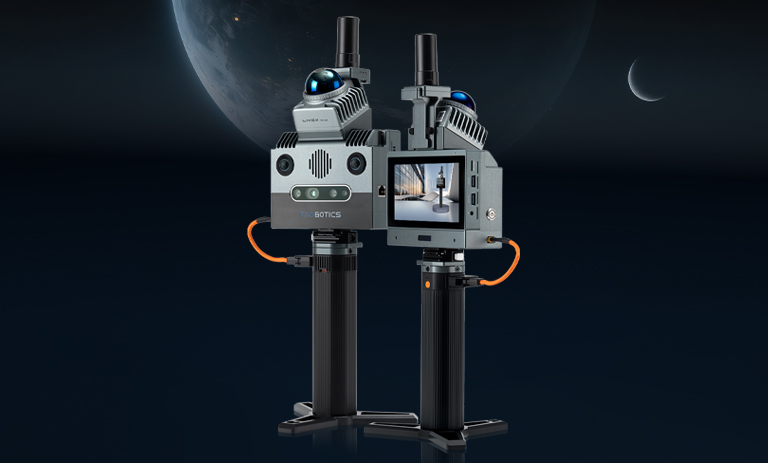
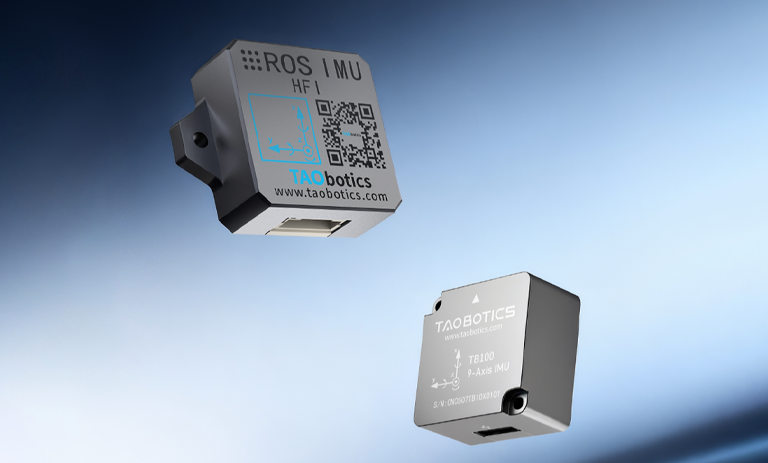
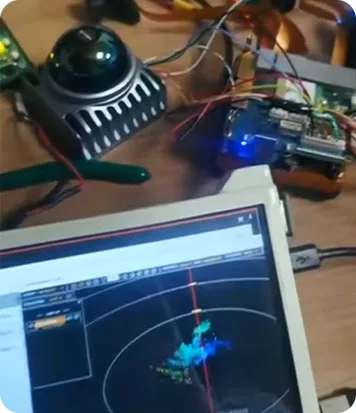
Aimed at SLAM, handheld mapping devices, perception acquisition boxes, and calibration platforms, it can connect to radar, cameras, IMU, RTK, CAN devices, and trigger signals to achieve multi-source data acquisition and synchronization.
Research and education development platform
Suitable for university laboratories, robotics courses, SLAM experiments, and unmanned systems development. Based on the x86 architecture, it facilitates the deployment of Ubuntu, ROS/ROS2, and mainstream robotics algorithm environments.

x86 Arch
Designed based on the x86 architecture, compatible with Windows, Ubuntu, ROS/ROS2, and the mainstream robotics development ecosystem, reducing the cost of algorithm deployment and system migration.
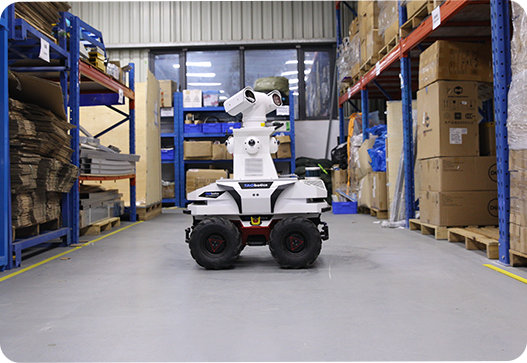
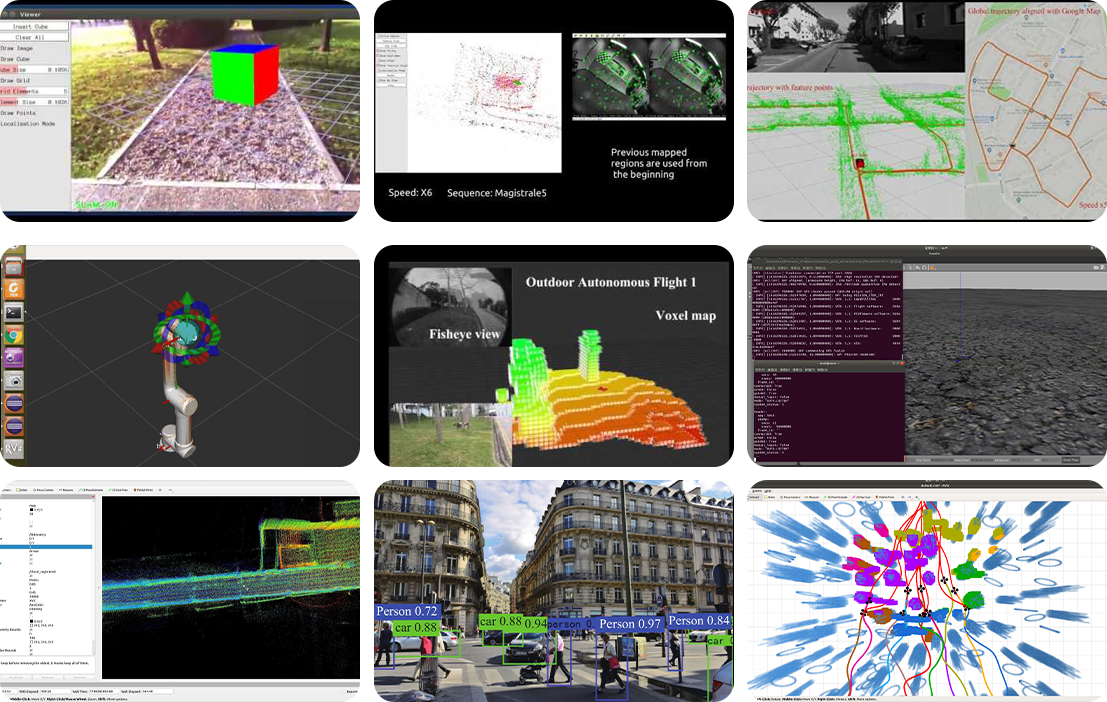
Supports various ROS open-source projects
Built-in MCU
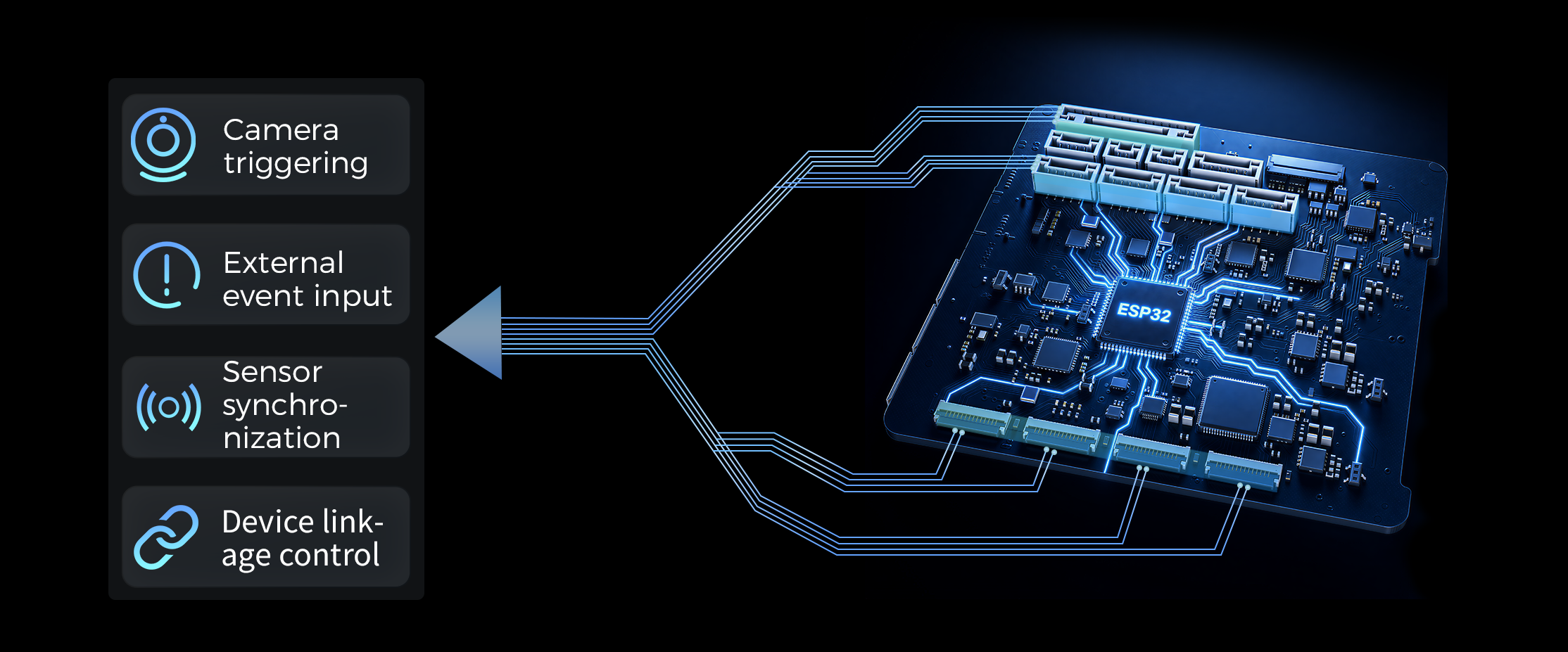
Built-in ESP32 directly connected to the host, supporting secondary development.
Synchronous triggering
Provides 9 channels of trigger I/O, which can be used for camera triggering, sensor synchronization, external event input, and device linkage control.
Customizable Buttons
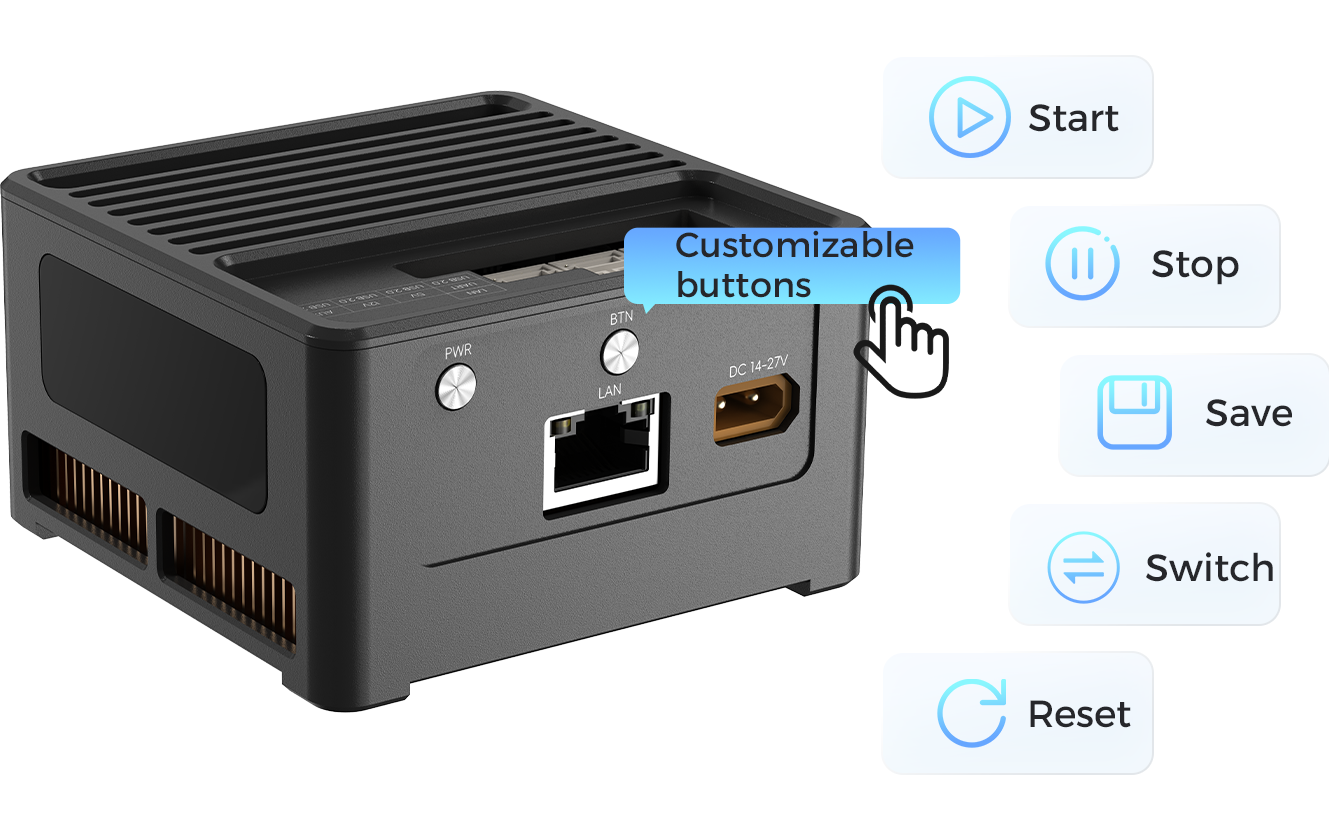
Equipped with customizable function buttons, allowing users to program and bind button events.
Peripheral Power Supply
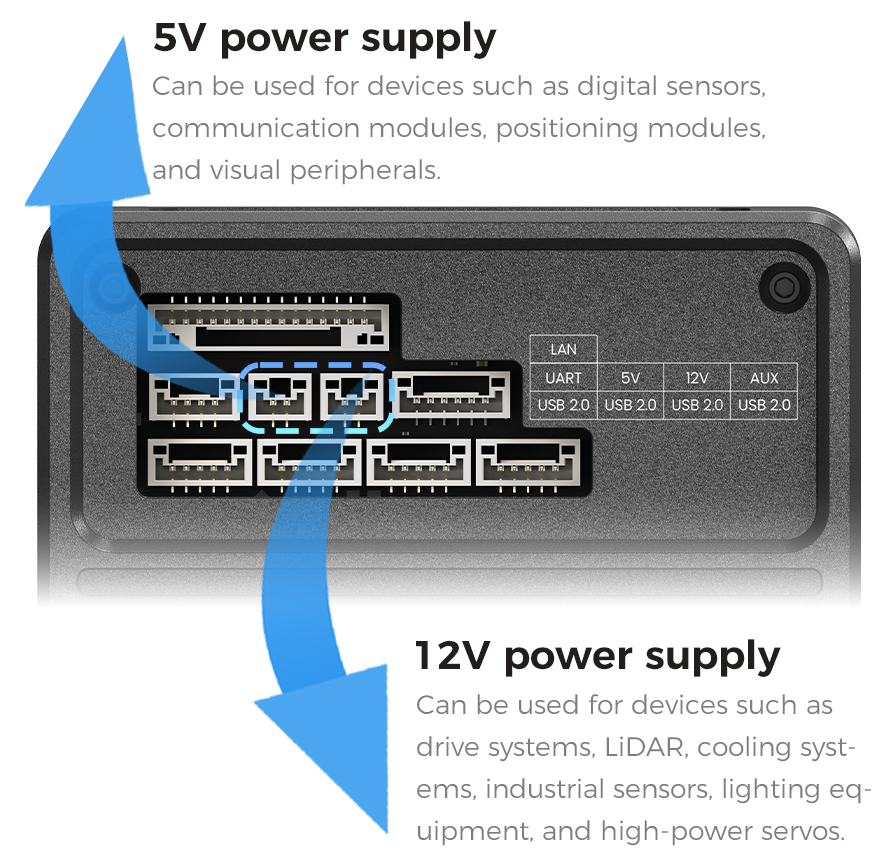
Provides 5V / 12V peripheral power supply interfaces, with each USB port supporting up to 5V/2A output, reducing the need for additional power modules and lowering wiring complexity.
Lightweight And Compact
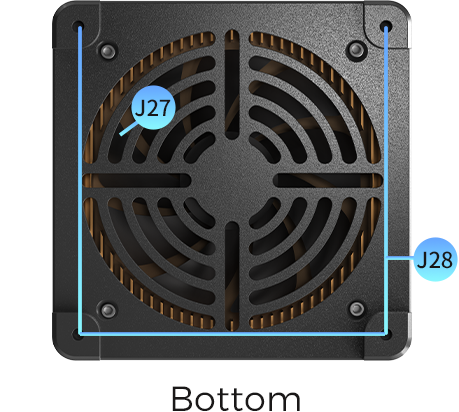
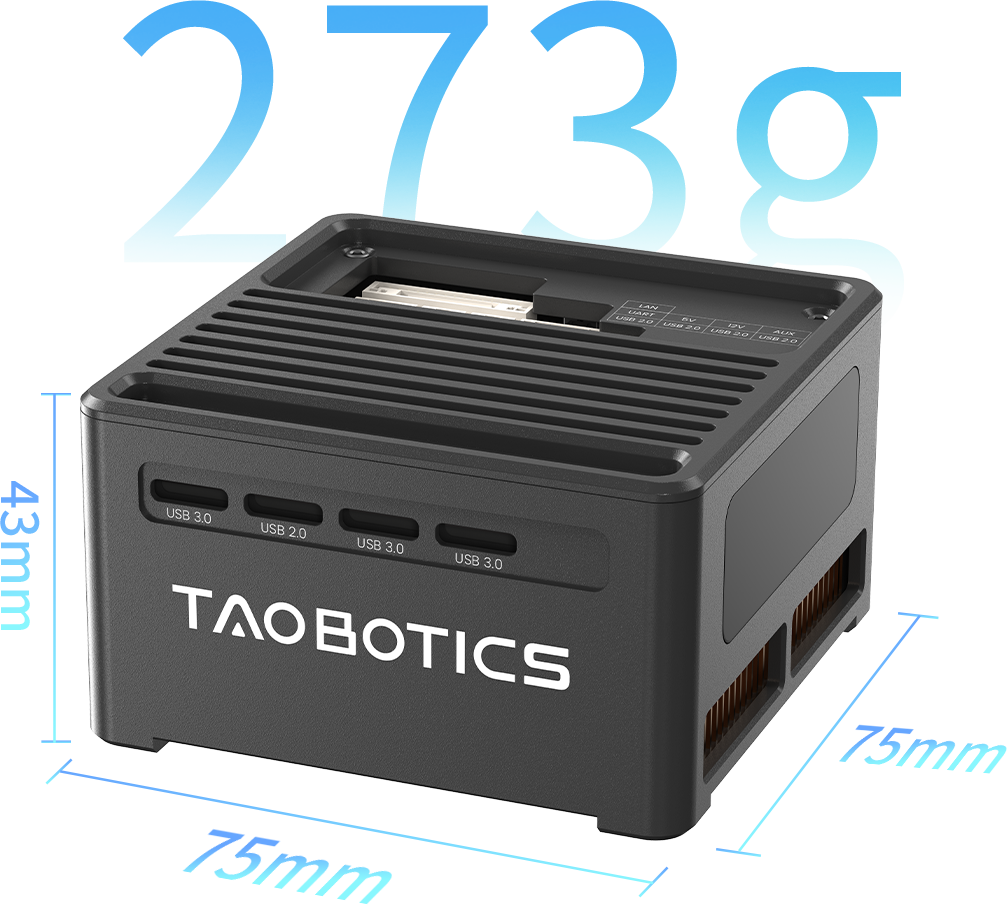
The entire unit measures just 75×75×43mm and weighs approximately 273g, making it suitable for rapid integration into unmanned vehicles, drones, robots, and more.
Technical Specifications